
Deep Tissue vs Swedish: Which One Do You Actually Need?
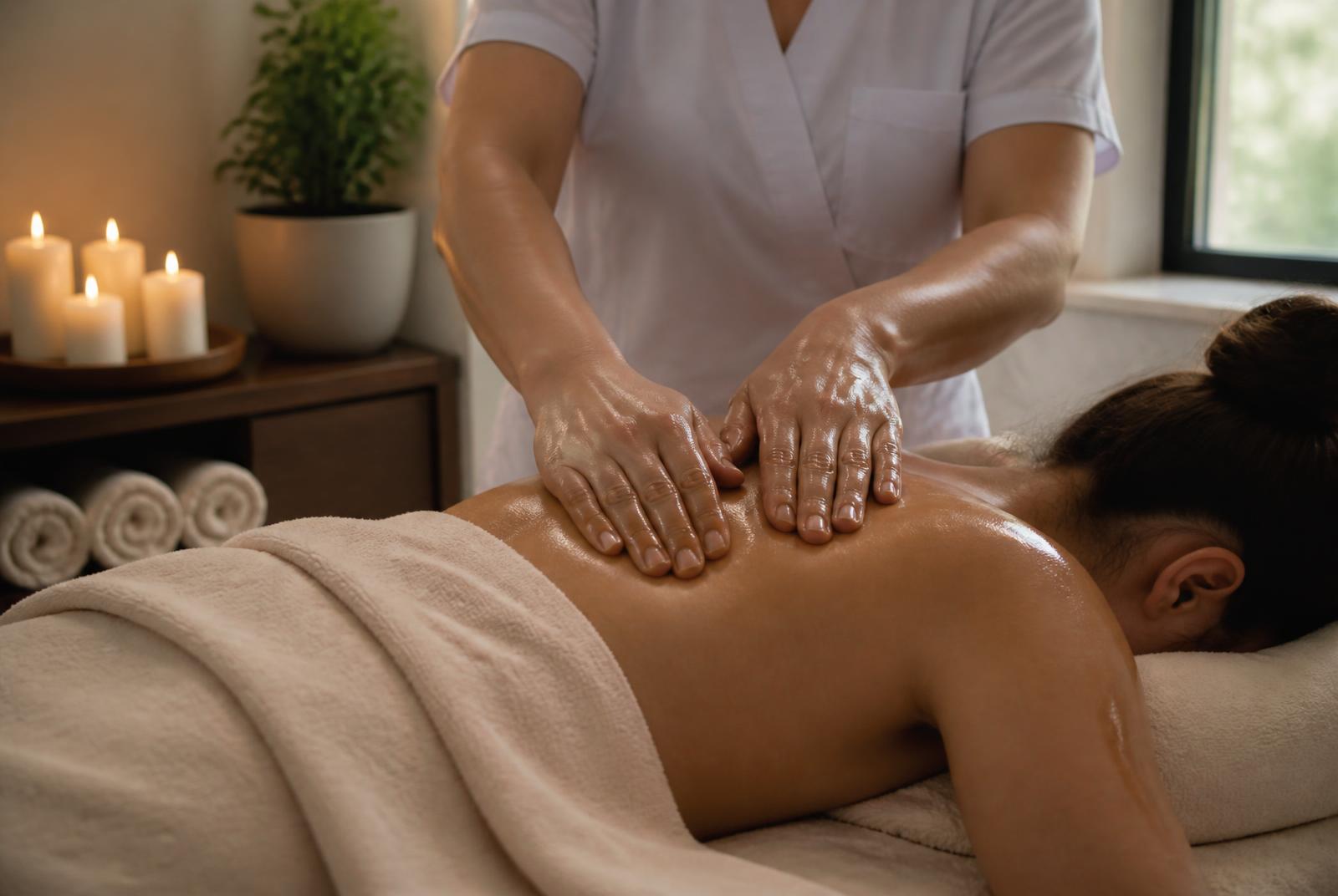
People book deep tissue because it sounds like the serious option and Swedish because it sounds like the nice one. That framing is wrong and it leads to a lot of clients lying on a table gritting their teeth through an hour they did not need.
What each one is for
Swedish
Long gliding strokes, broad kneading, consistent rhythm across the whole body. The target is your nervous system. Circulation improves, cortisol drops, and you leave loose and slightly floaty. Pressure can still be firm, which surprises people. Firm and specific are not the same thing.
Deep tissue
Slower, more specific, and aimed at particular layers and attachments. We spend real time in a small area instead of covering everything. The target is a restriction: a shoulder that will not rotate, a hip that grabs when you run, a low back that has been tight since a move two years ago.
Choose Swedish if
- You are stressed rather than injured
- This is your first massage in years or ever
- You want full body coverage in one hour
- You sleep badly and want the nervous system reset
Choose deep tissue if
- You can point to the problem with one finger
- Range of motion is limited, not just uncomfortable
- You train hard and carry chronic tight spots
- Lighter work has helped for two days and then faded
“Deep tissue is not a difficulty setting. It is a different job with a different tool.”
The honest middle ground
Most sessions I give are a blend. Swedish framework, deeper attention where it is needed, back to broad work to finish. If you cannot decide, book the sixty or ninety minute session, tell me at intake what your week has been like, and let the pressure follow the tissue rather than the label on the booking form.

Written by
Hannah
Founder of Serenity Garden Massage and Wellness and a certified massage therapist specialising in manual deep tissue and therapeutic massage in Clovis.
Meet Hannah