Hot Stone or Deep Tissue for Chronic Tightness
Hot stone usually gets filed under "treat yourself" on the menu, somewhere between the aromatherapy add-on and the extended hot towel finish. Fair enough, it feels indulgent. But that reputation undersells what it actually does.
Did you know? Muscles can tense up before you even feel anything wrong. It's not in your head, it's your nervous system bracing a spot it's decided needs protecting, often before pain shows up at all. That's a big part of why some massages feel like a fight and others feel like relief.
For a specific kind of client, someone chronically tight who can't tolerate the pressure it would take to work that tightness out by hand, hot stone isn't the lighter option. It's the more effective one. This isn't really a "which is better" debate. They solve different problems, and understanding what each one is actually doing to the tissue makes the choice pretty obvious.
Why Muscle Guards In The First Place
Chronic tightness usually isn't a knot sitting in one spot waiting to be pressed out. A lot of it is protective. When tissue is under repeated stress, from posture, old injury, training load, or tension you're not even aware of, the nervous system starts treating that area as vulnerable and tenses it preemptively.
That's the guarding response, and it's why pressing into a tight spot sometimes makes things feel worse before they feel better. The muscle isn't cooperating with the pressure, it's resisting it. Even great technique can spend the first few minutes of a session fighting tissue that hasn't decided to trust you yet.
What Heat Is Doing That Pressure Alone Can't
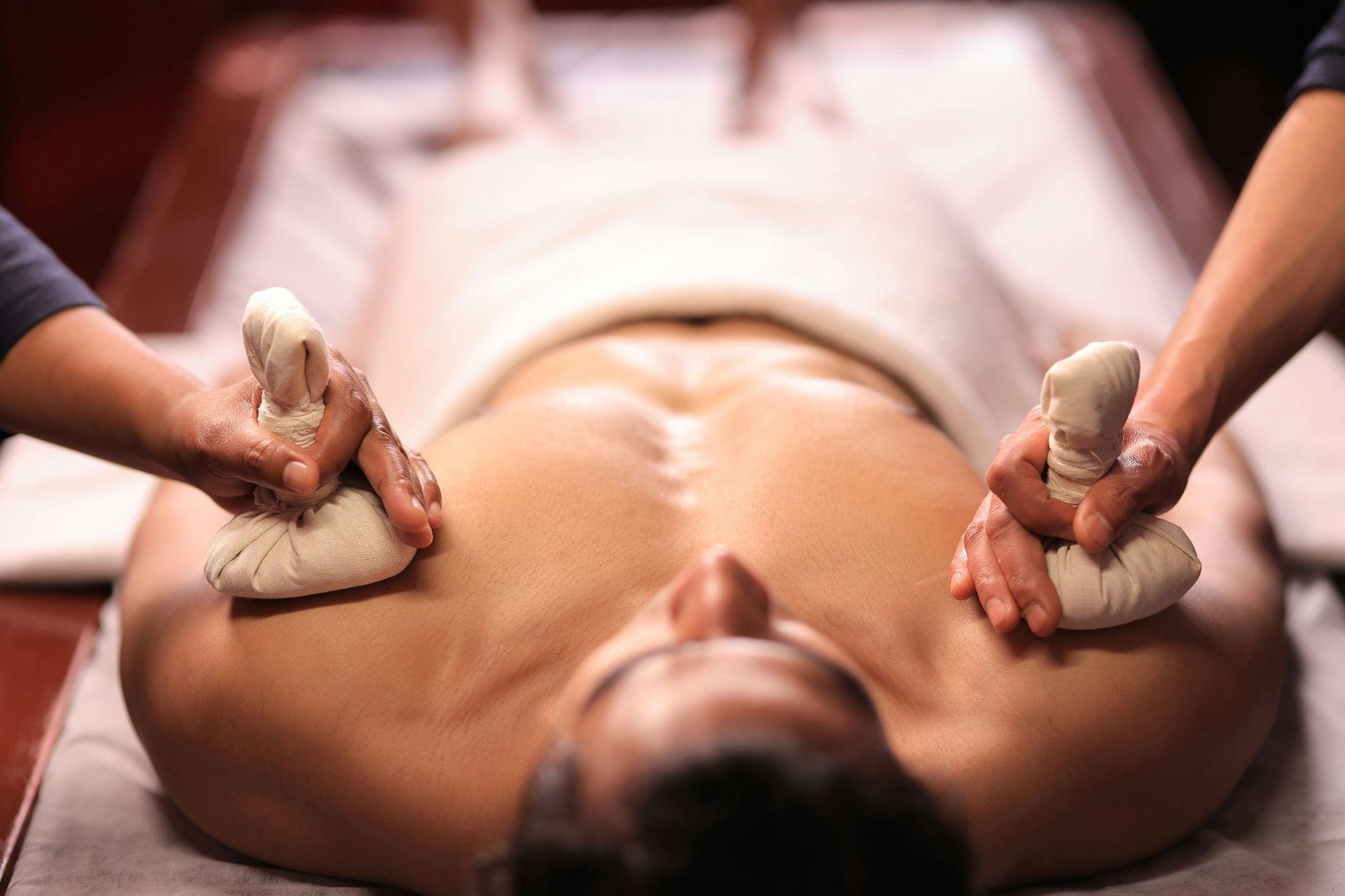
Warm basalt raises local tissue temperature, increases blood flow, and lowers that guarding response directly. Muscle that would fight a thumb often softens under a stone within a couple of minutes, not because the stone is doing corrective work, but because warmth tells the nervous system it's safe to stop bracing.
Once tissue stops guarding, real depth becomes reachable with far less force. For clients who leave deep tissue sore for two or three days, that's the difference between a treatment they benefit from and one they dread. It's also why a hot stone session can leave someone feeling looser for days, not just during the appointment, since better blood flow helps clear some of the buildup in chronically tight tissue.
Where Deep Tissue Still Has The Edge
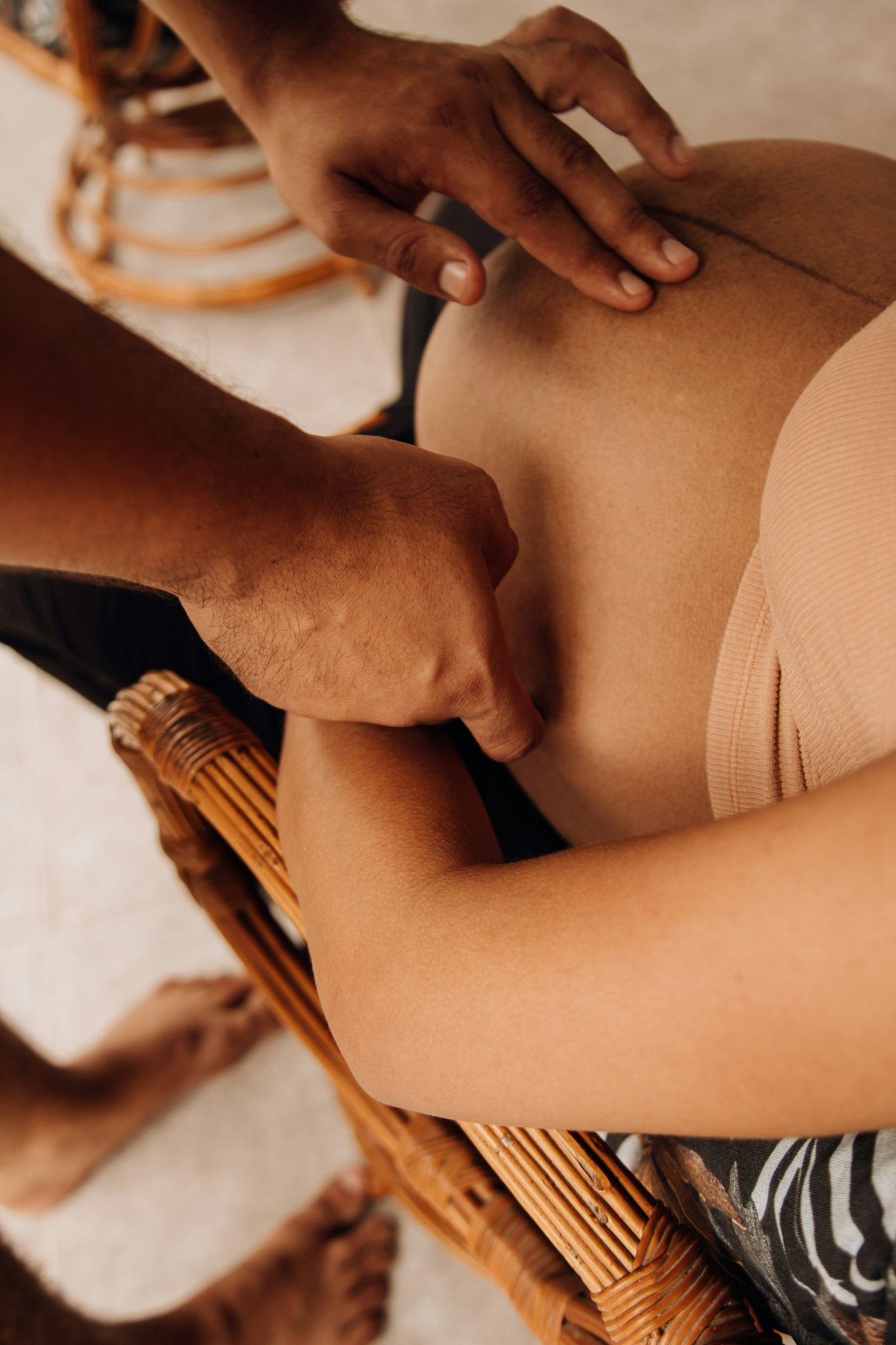
Heat is broad. A hand isn't. A single attachment point at the shoulder blade, or one specific band through the glute, isn't a job for a stone. That kind of precision needs fingers, knuckles, and elbows working at an angle only a hand can hold, adjusting moment to moment based on what the tissue is doing.
Heat can soften the area and get it ready, but the corrective work is manual. That's why a lot of the best sessions aren't really "hot stone versus deep tissue" at all:
- Warm stones lower guarding across the broader area first
- Attention shifts to the specific restriction once surrounding tissue has relaxed
- Manual work targets that spot with the precision heat can't provide
- The session closes with lighter work rather than ending on the most intense pressure
How To Actually Choose
| Situation | Better fit |
|---|---|
| Whole-body tightness, low pressure tolerance | Hot stone |
| One stubborn joint or restriction | Deep tissue |
| Cold weather, poor circulation, always-cold hands and feet | Hot stone |
| Post-training soreness in a specific muscle group | Deep tissue |
| Both problems at once | Stones first, manual work second |
Heat is not a shortcut around skill. It just means the muscle stops arguing sooner.
What A First-Time Client Usually Notices
People trying hot stone for the first time after years of deep tissue tend to expect the same intensity, just warmer. That's not quite it. A few things clients commonly report:
- Less bracing during the session itself, since there's nothing to tense against in the same way
- A different kind of tired afterward, more like post-stretch looseness than post-pressure soreness
- Needing fewer sessions to notice a change in areas that were purely tension-based rather than structural
- Still feeling some lingering tightness in one specific spot, which is usually the sign that spot needs deep tissue, not more heat
That last point comes up a lot. It's not a failure of the hot stone session, it's useful information about where the actual problem lives.
Who Should Skip The Stones Entirely
Heat isn't neutral. It's off the table or heavily modified for anyone with:
- Neuropathy
- Uncontrolled blood pressure
- Pregnancy
- A recent surgery
- A skin condition in the treatment area
None of that means you're out of options, the session just gets built differently, usually leaning more on manual work paced to account for the condition. Mention any of these at intake, before the session starts, so the plan is right from minute one.
Getting The Most Out Of Either Treatment
A few habits stretch the value of a session past the hour itself: drink water afterward, skip intense exercise the same day, and notice which areas feel different by the next morning, that's genuinely useful information for your next intake. At Serenity Garden Massage, If soreness lingers longer than expected after a deep tissue session, gentle movement and heat at home usually help more than staying completely still.
Key Takeaways
- Chronic tightness is often a protective guarding response, not just a knot in one spot
- Hot stone lowers that guarding response, allowing depth with less force
- Deep tissue still wins for precise, localized issues heat can't target
- Combining both, heat first, then manual work, often outperforms either alone
- First-time hot stone clients often notice less bracing and a different kind of post-session looseness
- Certain conditions mean heat should be skipped or modified, always flag these at intake
FAQs
Not Sure Which One You Need?
Tell us what's going on at intake, where it hurts, how long it's been tight, and how much pressure you can tolerate, and we'll build the session around that instead of a fixed menu option.

Written by
Hannah
Founder of Serenity Garden Massage and Wellness and a certified massage therapist specialising in manual deep tissue and therapeutic massage in Clovis.
Meet Hannah