Deep Tissue vs Swedish: Which One Do You Actually Need?
Key Takeaways
- Swedish massage calms your nervous system; deep tissue massage releases a specific, stuck restriction they solve different problems, not different intensity levels of the same problem.
- Firm pressure does not automatically mean deep tissue, and relaxing does not automatically mean Swedish.
- Choose Swedish massage for everyday stress, poor sleep, or full-body relaxation.
- Choose deep tissue massage for a pinpointable problem area, limited range of motion, or chronic tightness from training.
- National survey data shows most people now book massage for medical or stress-related reasons rather than pure pampering.
- The best sessions often blend both techniques instead of sticking rigidly to one label.
Two Techniques, One Common Mix-Up
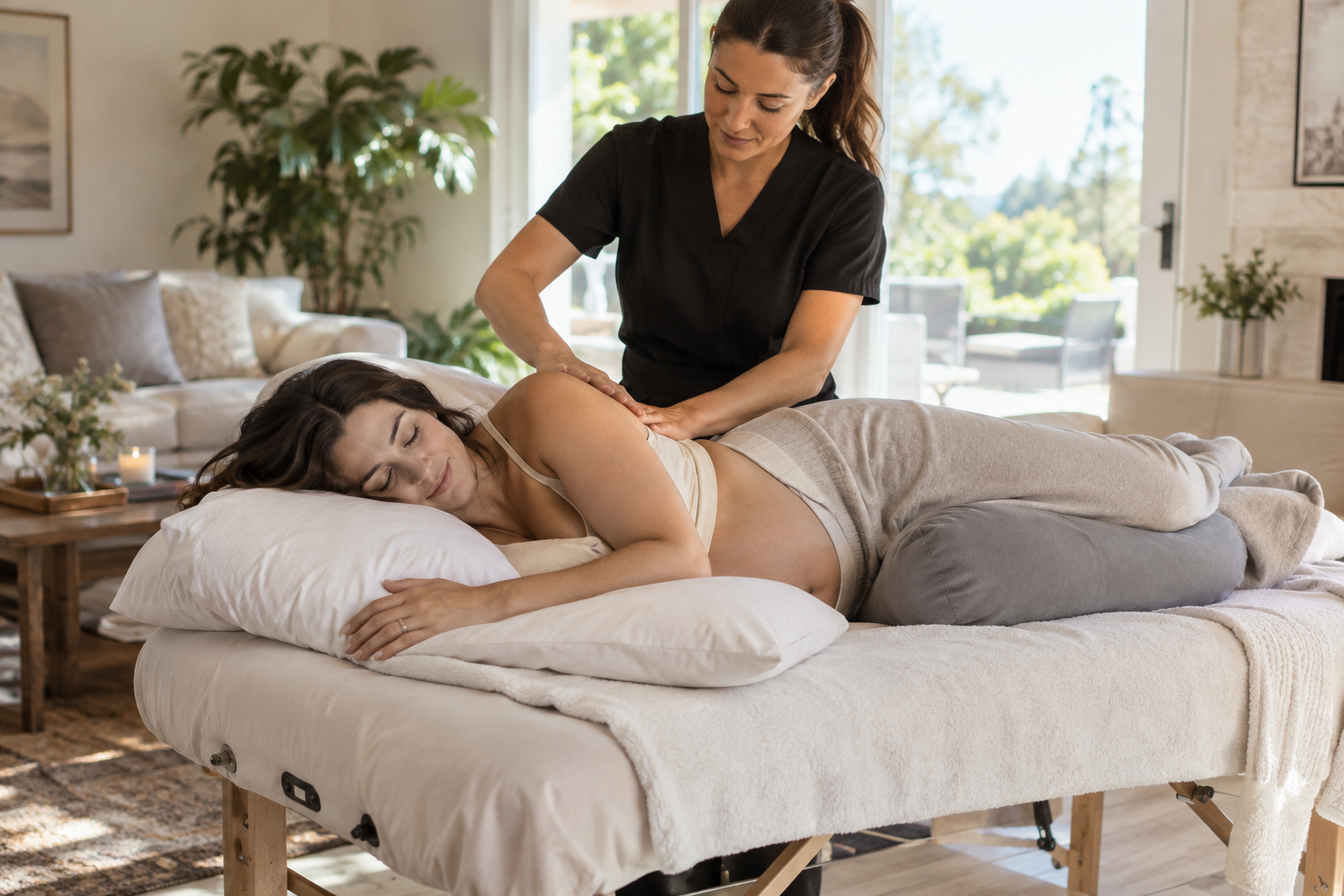
People book deep tissue massage because it sounds like the serious, results-driven option, and they book Swedish massage because it sounds like the gentle, spa-day choice. That framing is misleading, and it sends a lot of clients onto the table gritting their teeth through an hour they never actually needed. deep tissue massage in california is not simply a stronger version of a Swedish session. It is a different approach built around a different goal. Swedish massage is designed to calm your nervous system and improve circulation across your whole body, while deep tissue massage is designed to work slowly and specifically into one restricted area. Confusing intensity with intention is the single biggest reason clients leave a session disappointed, and it is the easiest thing to fix once you understand what each technique is actually built to do.
What Swedish Massage Is Actually For
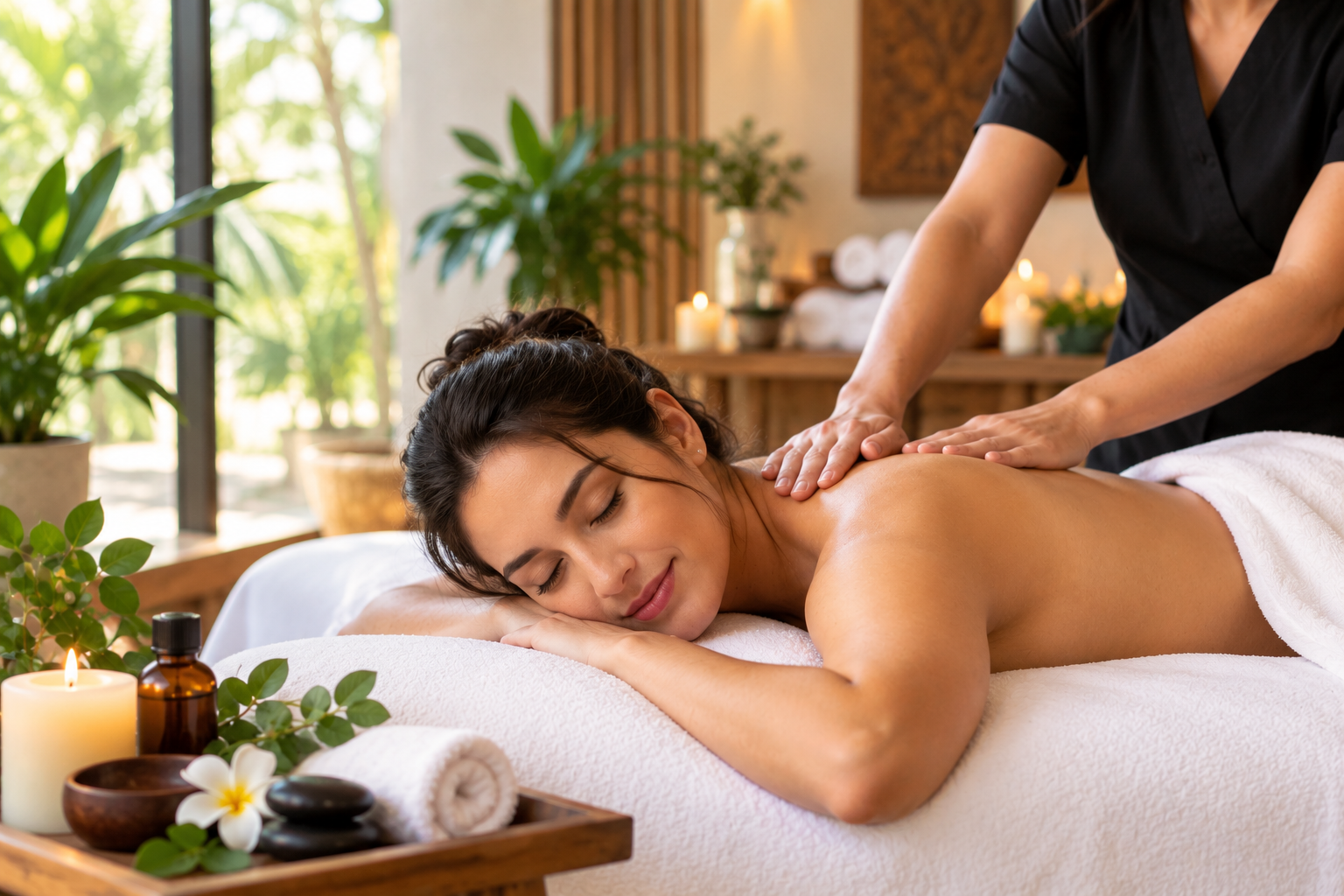
Swedish massage relies on long, gliding strokes, broad kneading, and a consistent rhythm that moves across your entire body. The target is not a single tight muscle it is your nervous system as a whole. Circulation improves, cortisol drops, and most clients leave the table loose, warm, and slightly floaty. Mayo Clinic Health System notes that massage therapy can help with stress, tight or painful muscles, and general posture and prevention, and Swedish technique is the classic entry point for those benefits. One detail surprises a lot of first-time clients: Swedish pressure can still be firm. Firm and specific are not the same thing, and a therapist can lean into tight shoulders with real weight while still working in the broad, whole-body Swedish style rather than drilling into one spot.

What Deep Tissue Massage Is Actually For
Deep tissue massage is slower, more specific, and aimed at particular muscle layers and attachment points. Instead of covering the whole body evenly, your therapist spends real, sustained time in one small area. The target is always a restriction: a shoulder that will not rotate freely, a hip that grabs halfway through a run, or a low back that has stayed tight since a move two years ago. This is the technique built for chronic, localized problems rather than general stress relief, which is why athletes, desk workers with rounded shoulders, and anyone rehabbing an old injury tend to gravitate toward it. It rewards patience, both from the therapist and the client, because real change in a stubborn muscle rarely happens in the first five minutes.
Swedish vs Deep Tissue at a Glance
| Factor | Swedish Massage | Deep Tissue Massage |
|---|---|---|
| Primary target | Nervous system, whole-body circulation | Specific muscle layers and attachment points |
| Pressure style | Broad, flowing, can still be firm | Slow, sustained, concentrated on one area |
| Best for | Stress, poor sleep, first-timers | Chronic tightness, limited range of motion, training recovery |
| Typical feel afterward | Loose, calm, slightly floaty | Released, sometimes tender for a day |
| Body coverage | Full body in one session | Concentrated on one or two problem areas |
Choose Swedish Massage If
- You are dealing with everyday stress rather than a specific injury
- This is your first massage in years, or ever
- You want full-body coverage in one session
- You are sleeping poorly and want a nervous-system reset
Choose Deep Tissue Massage If
- You can point to the problem with one finger
- Your range of motion is limited, not just uncomfortable
- You train hard and carry chronic tight spots
- Lighter work has helped for a day or two, then faded
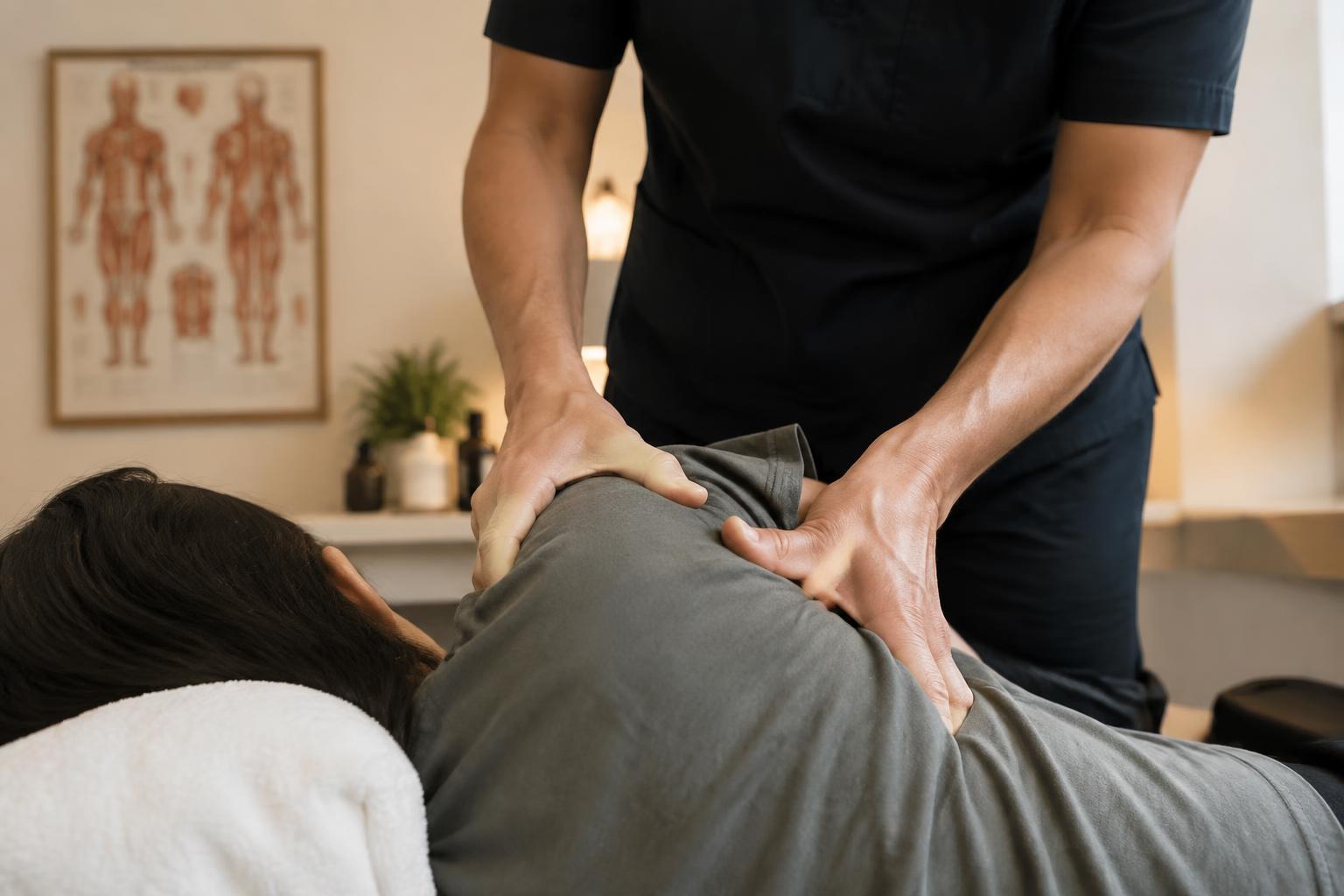
“Deep tissue is not a difficulty setting. It is a different job with a different tool.”
What the Data Actually Says About Why People Book Massage
National surveys back up what shows up at the front desk every week: most people are not booking massage as an occasional luxury anymore. They are booking it as a recovery tool.
| Consumer survey finding | Reported figure |
|---|---|
| Primary reason for massage was medical or stress-related | 72% of respondents |
| Believe massage can be effective for reducing pain | 92% of respondents |
| View massage as beneficial to overall health and wellness | 91% of respondents |
| Discussed massage therapy with their doctor in the past year | 46% of respondents |
That shift, tracked in AMTA's annual consumer survey, matters for how you choose a session. If your main reason skews toward stress or sleep, Swedish is usually the better starting point. If it skews toward pain, stiffness, or recovering from an injury or hard training block, deep tissue is doing more of the actual work.
How to Communicate What You Actually Need
Most mismatched sessions do not happen because a client picked the "wrong" massage. They happen because the intake conversation was too short. Instead of naming a technique, describe what your body has actually been doing. Say "my shoulder has not fully rotated since I fell skiing" rather than just "deep tissue, please." Say "I have not slept well in two weeks and my jaw is clenched" rather than just "Swedish, please." A specific description lets your therapist choose the right pressure and pacing for that particular day, even if it ends up blending both techniques inside one session.

The Honest Middle Ground
Most sessions a therapist actually gives are a blend, not a strict either-or. Swedish framework to open the session, deeper and more specific attention wherever it is genuinely needed, then broad work again to finish and calm things back down. If you cannot decide which one you need, book a sixty or ninety minute session, tell your therapist what your week and your body have been like at intake, and let the pressure follow the tissue rather than the label on the booking form. A good therapist will read your muscles in the first few minutes and adjust from there, regardless of what you booked online.
That blended, listen-first approach is exactly how sessions at Serenity Garden Massage are built, whether you come in stressed, sore, or honestly a little bit of both.
Frequently Asked Questions

Written by
Hannah
Founder of Serenity Garden Massage and Wellness and a certified massage therapist specialising in manual deep tissue and therapeutic massage in Clovis.
Meet Hannah