Cupping vs Deep Tissue: Pulling Instead of Pressing
Every other massage technique pushes into you. Cupping is the one that pulls, and that single difference explains why it works on things deep tissue keeps failing to fix.
The mechanic
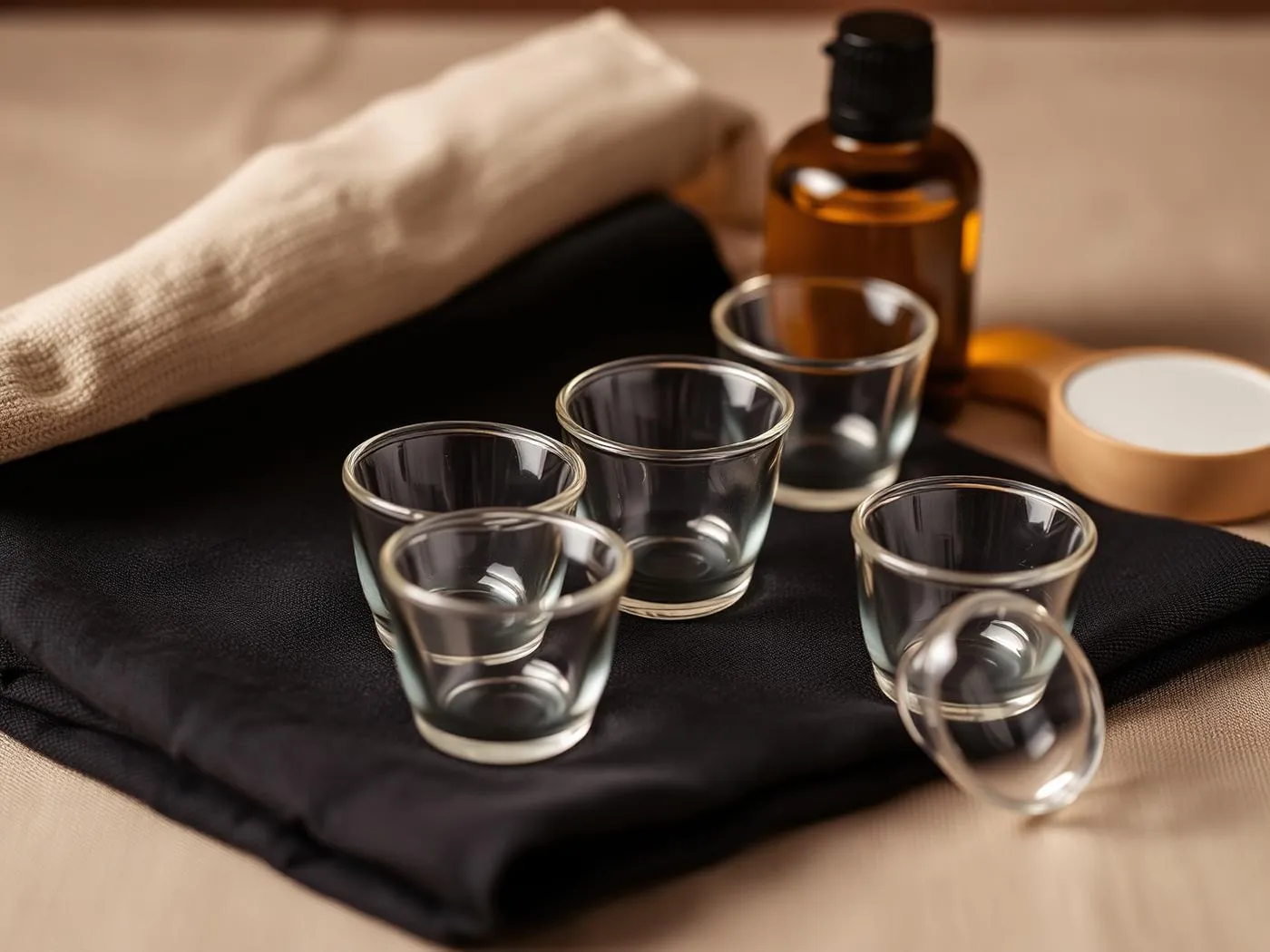
A cup creates negative pressure and lifts skin and superficial fascia away from the layers underneath. Where tissue has become stuck to what is below it, decompression separates the layers in a way compression cannot. Blood flow into the area increases sharply, which is why the skin flushes.
About the marks
The circles are not bruises from trauma. They are pooled blood and metabolic waste drawn to the surface, and they fade over three to seven days. Darker marks generally mean a more congested area. If marks bother you, silicone cups moved along the tissue instead of parked in one spot give most of the benefit with far less discoloration.
When cupping is the better call
- Broad low back or IT band tightness that keeps returning
- Old scar tissue and adhesions that resist direct pressure
- Clients who cannot tolerate heavy deep tissue pressure
- Areas that feel dense and stuck rather than sharply knotted
When deep tissue is still better
Anything needing precision, angle or joint mechanics. A cup cannot pin a trigger point or work an attachment beneath the shoulder blade. In practice I use cupping to open a broad area quickly and then do the specific work by hand, which takes less time and less pressure than going in cold.
“If pressing on it has not worked for six months, pulling on it is worth an hour of your time.”
Before you book
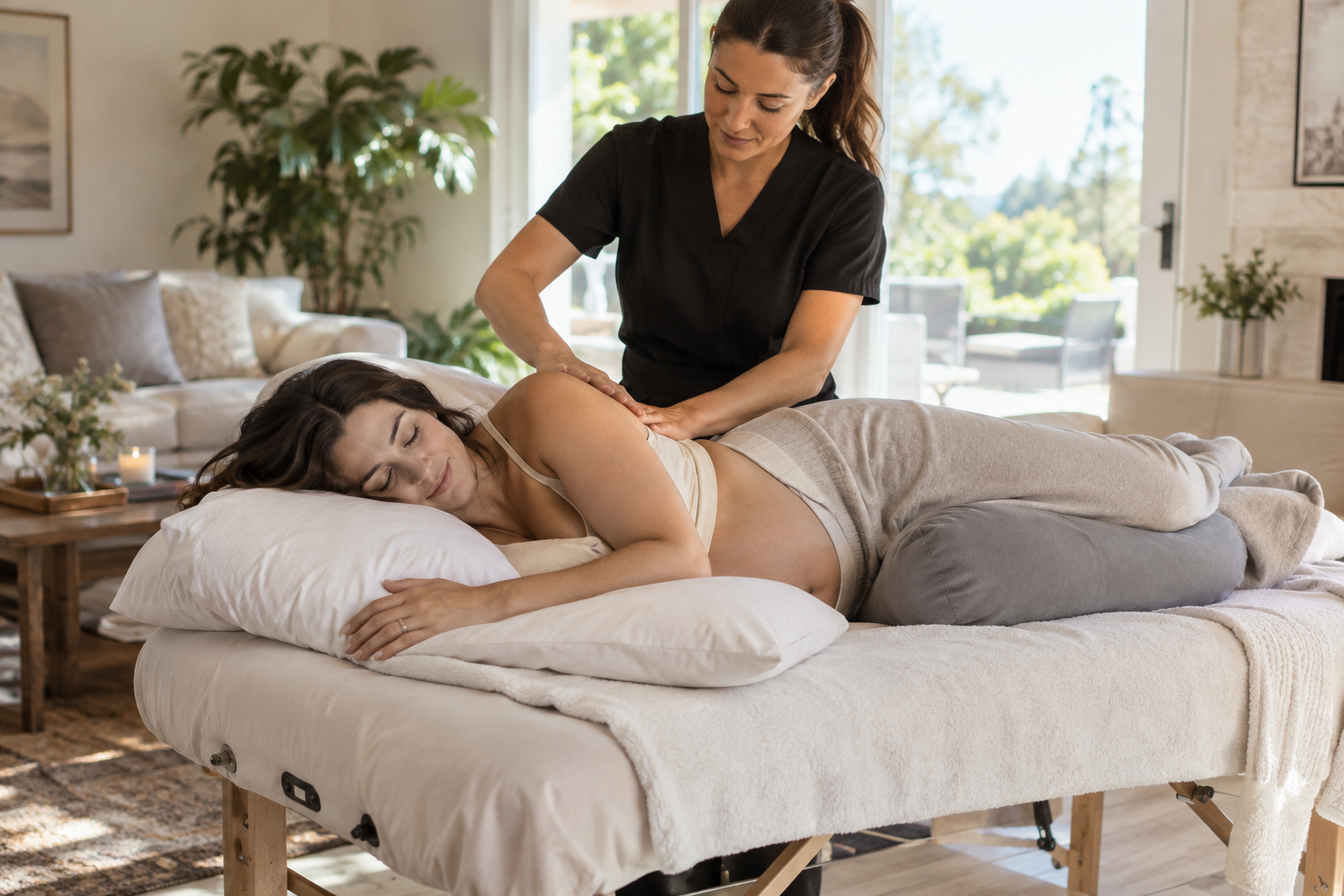
Blood thinners, fragile skin, active skin conditions and pregnancy all need discussing first. And do not book cupping two days before a beach weekend or a wedding unless you are relaxed about the circles showing up in photographs.

Written by
Hannah
Founder of Serenity Garden Massage and Wellness and a certified massage therapist specialising in manual deep tissue and therapeutic massage in Clovis.
Meet Hannah