Key Takeaways
- Fresno's tension has a predictable shape depending on lifestyle runners, service industry workers, and commuters each carry it in different places.
- Massage's benefits for muscle soreness and circulation aren't just anecdotal; they're backed by clinical research, including systematic reviews on post-exercise recovery.
- Booking around Fresno's traffic patterns, not just your calendar, makes a real difference in how relaxed you actually feel by the time you're on the table.
- Sunday mornings before eleven are consistently the calmest window for the drive out to Old Town Clovis.
- What you do in the twenty minutes after a session walking versus sitting straight back in the car affects how long the results actually last.
Your Body's Tension Has a Zip Code
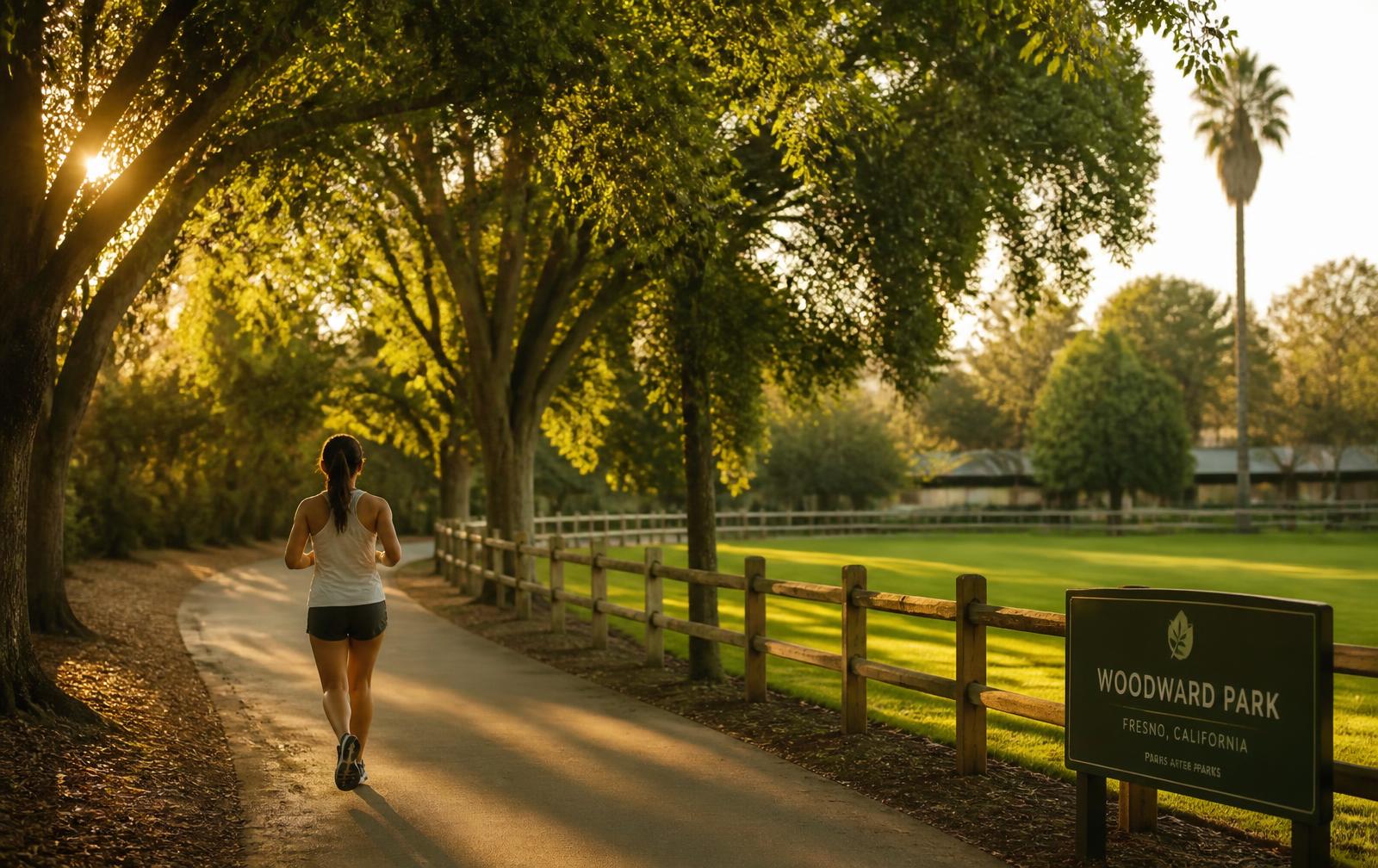
Fresno is where most of our clients live and work, and the short drive out to Old Town Clovis barely counts as a trip once you've made it a couple of times. What's interesting is how predictable the tightness is once you know where someone spends their time. A Woodward Park regular carries a completely different pattern than someone who spends evenings on their feet in the Tower District, and both look nothing like a downtown commuter who's spent forty-five minutes gripping a steering wheel on Highway 41. Good massage services in CA account for that pattern instead of running the same generic routine on every client who walks through the door.
That's really the whole premise behind treating Fresno as its own case study rather than applying a one-size-fits-all approach. The city's geography, commute patterns, and recreational habits create genuinely distinct tension profiles, and understanding your own profile before booking makes the session itself far more useful.
It also changes what you should actually ask for when you book. Someone who spends their day standing on a restaurant floor in the Tower District needs a very different session than someone who spent the last three hours behind a desk with their shoulders creeping up toward their ears. Walking in and saying “just do whatever” works fine with an experienced therapist, but naming your specific pattern the trail miles, the double shifts, the commute gets you a session that targets the actual source of the tightness instead of a generic full-body routine.
What Fresno Bodies Actually Need
Woodward Park runners and cyclists bring in tight calves, hip flexors, and IT bands from the miles logged on those trails. Tower District regulars who spend evenings on their feet at restaurants and shops carry their stress in the low back and shoulders instead. Add in the downtown office crowd with necks locked up from long commutes on Highway 41, and you've got most of the local caseload covered.
| Fresno Group | Primary Areas of Tension |
|---|---|
| Woodward Park runners | Calves, plantar fascia, and glutemedius |
| Cyclists on the Lewis S. Eaton Trail | Hip flexors, quads, and a tight low back |
| Tower District service industry | Feet, low back, and shoulders |
| Downtown Fresno commuters | Neck, shoulders, and jaw |
If you run Woodward Park three times a week and never get your calves worked on, the calf is going to make that decision for you eventually usually at the worst possible moment, a few miles into a run with no massage table anywhere nearby.
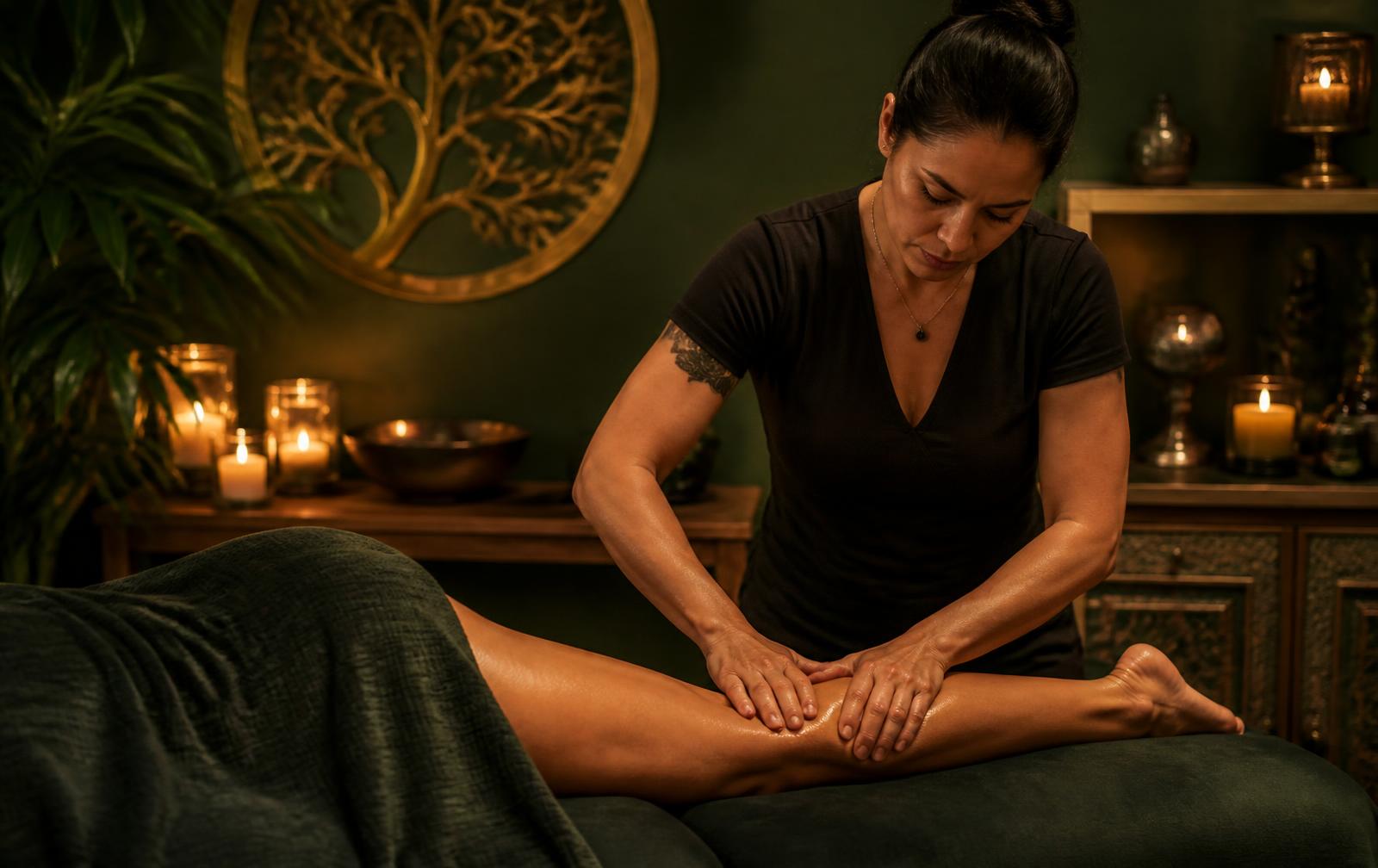
The Lewis S. Eaton Trail crowd deserves a special mention here, since cyclists often assume their tightness lives entirely in the legs when the real culprit is frequently the hip flexors pulled tight from hours in an aerodynamic riding position. That tightness pulls on the low back in ways that don't always feel connected until someone actually works through the hip flexors and the back pain eases up on its own. Tower District servers face a similar disconnect the sore feet are obvious, but the shoulder tension from carrying trays and the low back strain from a full shift standing on tile floors often go unaddressed because the feet are what everyone notices first.
Why This Actually Works, Not Just Feels Good
It's easy to write massage off as a pampering indulgence rather than something with a real physiological effect, but the research doesn't support that dismissal. Mayo Clinic's overview of massage therapy notes that massage effectively reduces stress, pain, and muscle tension, in part by prompting the release of the body's natural pain-relieving chemicals and lowering stress hormones like cortisol. For the athletic side of Fresno's caseload specifically, a systematic review and meta-analysis on post-exercise recovery found that massage significantly reduced delayed onset muscle soreness at 24, 48, and 72 hours after strenuous exercise, while also improving measured muscle performance. In plain terms: getting your calves worked on after a hard Woodward Park run isn't just a nice reward, it's backed by measurable recovery benefits.
None of this means massage replaces medical care for an actual injury, and a good therapist will say so plainly rather than promising to fix something that needs a doctor's attention. But for the everyday tightness that builds up from running, standing shifts, or long commutes, the research consistently supports what regular clients already notice: the soreness fades faster, the tissue feels less locked up, and the improvement holds for days rather than hours.
Timing Your Booking Like a Local
Herndon and Shaw get slow around rush hour, which means a five-thirty booking after work can mean sitting in traffic before you even get horizontal on the table. Booking mornings is the simplest way to protect your blood pressure before the session even starts. Sunday mornings before eleven are consistently the calmest window of the week, and the drive out to Clovis at that hour is genuinely pleasant rather than something to grit your teeth through.
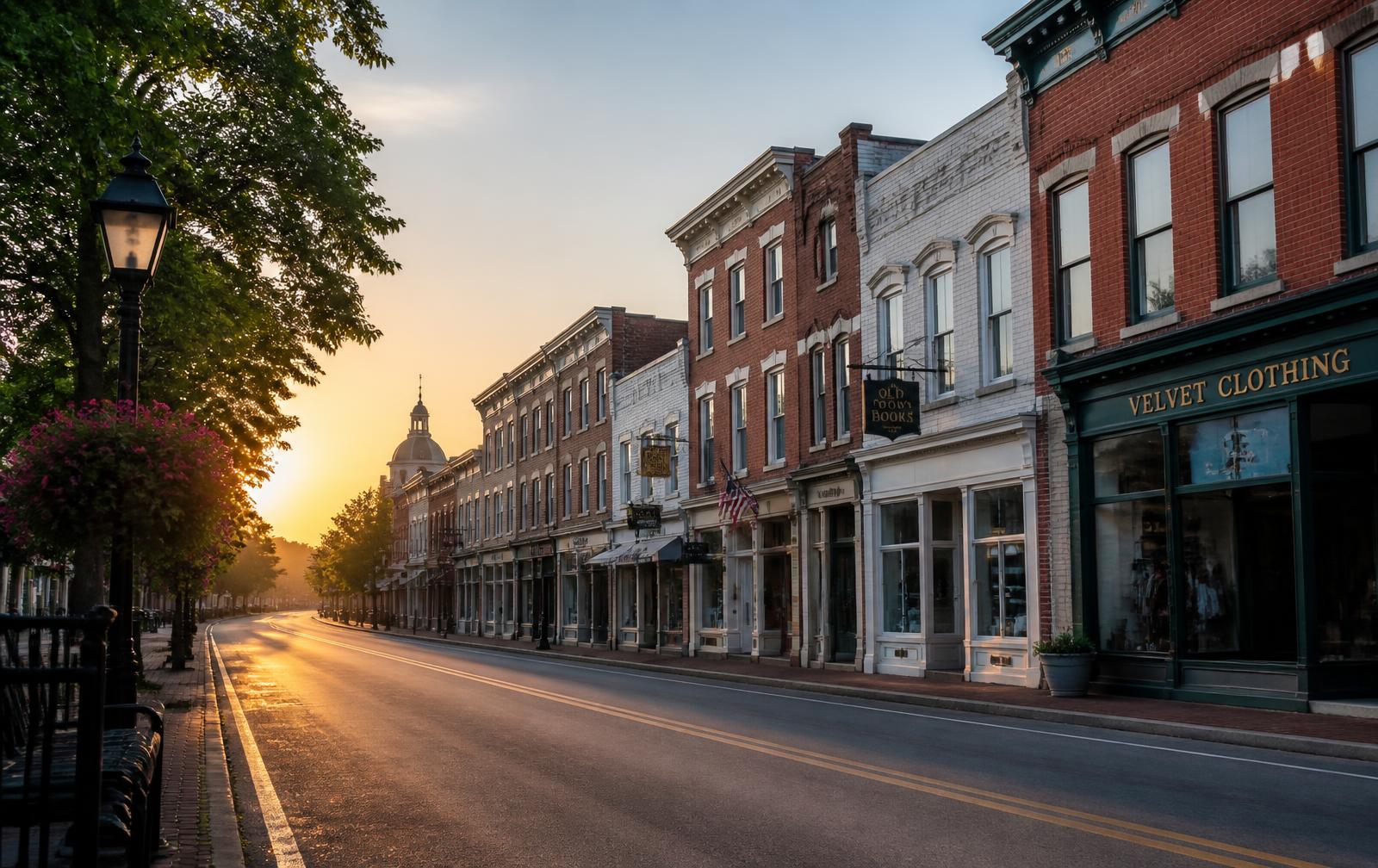
There's a real, if underappreciated, reason this matters beyond simple convenience. Arriving stressed from a bad commute means the first ten minutes of a session are often spent just getting a client's nervous system to settle down before any real tension work can begin. Arriving calm means that time gets spent on the actual muscle work instead. Booking around traffic isn't just about your own patience it changes how much of your appointment time actually goes toward the reason you booked it.
| Booking Window | Traffic Reality | Overall Experience |
|---|---|---|
| Weekday after work (5–6 PM) | Herndon and Shaw slow considerably | Stress from the drive can undercut the session's benefit |
| Weekday mornings | Light traffic, easy commute out | Calm arrival, good starting state for the session |
| Sunday before 11 AM | Quietest window all week | Most relaxed drive in and out of Old Town Clovis |
Getting to the Studio Without the Headache
Most of Fresno sits fifteen to twenty-five minutes from Old Town Clovis depending on the neighborhood. Herndon Avenue east is the reliable route coming from the north side, and Shaw Avenue works well from central Fresno. Highway 168 is the fastest option outside of peak hours for anyone coming from the Tower District or downtown, though it's worth checking current conditions before committing to that route during a weekday commute window.
What to Do After Your Session
Walk a loop around Old Town rather than sitting straight down in the car for the drive home. Twenty minutes of easy movement after deep tissue work keeps the tissue from tightening back up before you even get on Herndon, which matters more than most people expect right after a session. That small habit is often the difference between results that last through the week and ones that fade by the time you're back at your desk on Monday. Serenity Garden Massage has been helping Fresno and Clovis locals build exactly this kind of aftercare routine into their regular visits, treating the walk to the car as part of the session rather than an afterthought.
Frequently Asked Questions

Written by
Hannah
Founder of Serenity Garden Massage and Wellness and a certified massage therapist specialising in manual deep tissue and therapeutic massage in Clovis.
Meet Hannah